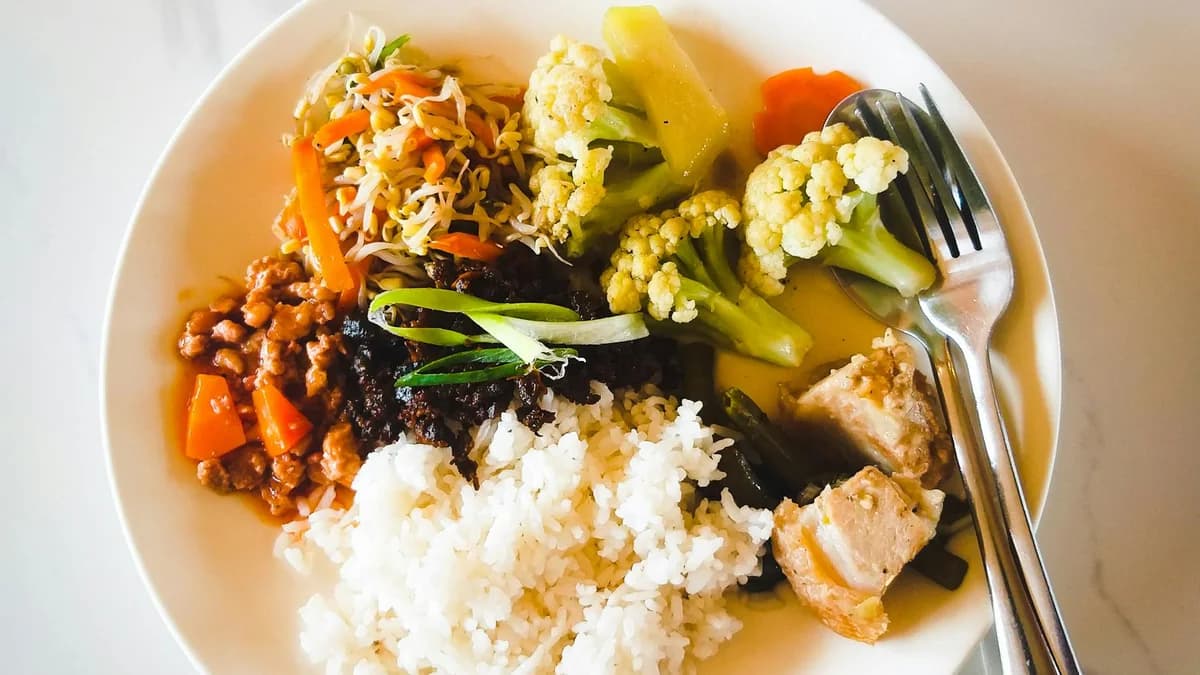
Food after stroke sits at the intersection of medicine and daily life. The right nutrition supports blood pressure control, energy for therapy, wound healing, and long-term cardiovascular health. The wrong patterns — skipped meals, excess sodium, dehydration — can slow recovery or increase risk of another event.
You do not need a perfect diet. You need a sustainable one your household can actually follow.
Why nutrition matters after stroke
Stroke is often linked to high blood pressure, diabetes, high cholesterol, and cardiovascular disease. Diet does not replace medication, but it supports the medical plan your team prescribed.
Good nutrition also fuels rehabilitation. Therapy is physically demanding. Under-eating or relying on processed snacks leads to fatigue, slower progress, and mood dips.
Blood pressure and sodium
For many survivors, reducing sodium is a priority. Most sodium in American diets comes from packaged and restaurant food — not the salt shaker.
Practical swaps:
- Choose fresh or frozen vegetables over canned when possible
- Read labels — aim for items with less than 140 mg sodium per serving when you can
- Flavor with herbs, citrus, garlic, and vinegar instead of salt
- Plan ahead for restaurant meals — ask for sauces on the side, skip added salt
Your physician or dietitian may set a specific sodium target. Follow their number, not generic advice online.
Swallowing safety (dysphagia)
Some survivors have swallowing changes after stroke. Never ignore coughing, choking, or wet voice during meals — report them to your speech-language pathologist immediately.
Common recommendations while under evaluation:
- Thicker liquids if prescribed
- Smaller bites, slower pace
- Upright posture during and after meals
- Avoid mixed textures (e.g., soup with chunks) if not cleared
Texture-modified diets are temporary for many people. Follow the therapist's upgrades step by step.
Protein and healing
Recovery requires protein for tissue repair and muscle maintenance — especially if the affected side is weaker.
Include protein at each meal: eggs, fish, poultry, beans, tofu, yogurt, cottage cheese. If chewing is difficult, soft options like scrambled eggs, smoothies, and well-cooked lentils work well.
Fiber and hydration
Constipation is common after stroke — reduced mobility, new medications, and diet changes all contribute.
- Fiber from vegetables, fruit, whole grains, and legumes
- Water throughout the day unless fluid-restricted
- Regular meal timing helps bowel rhythm
Dehydration worsens fatigue and can affect blood pressure. Keep a water bottle visible.
Meal planning when energy is low
Cooking every day is hard during early recovery. Batch strategies help:
- Cook once, eat twice — double a soup or stew
- Pre-cut vegetables or frozen stir-fry mixes
- Simple templates — protein + vegetable + starch
- Caregiver rotation — one person cooks Mon/Wed, another Tue/Thu
stroke.food offers practical nutrition guidance, tracking ideas, and meal planning built for recovery — not generic diet culture.
Supplements and fad diets
Unless your doctor recommends them, be cautious with supplements. They can interact with blood thinners and blood pressure medications.
Trendy diets rarely account for swallowing restrictions, medication interactions, or individual lab values. Your care team's plan comes first.
Working with a dietitian
A registered dietitian (RD) can translate medical goals into meals your family enjoys. Ask for a referral at discharge or through your primary care physician.
Bring a three-day food log to the first visit. Honest data beats guessing.
A sample day (adjust with your team)
| Meal | Example |
|---|---|
| Breakfast | Oatmeal with berries, walnuts, low-fat milk |
| Lunch | Grilled chicken salad, olive oil dressing, whole-grain roll |
| Snack | Apple slices with peanut butter |
| Dinner | Baked salmon, roasted broccoli, brown rice |
| Fluids | Water, herbal tea — spread through the day |
Portions depend on weight goals, diabetes status, and activity level.
The bottom line
Nutrition after stroke is not about restriction for its own sake. It is about protecting your brain and body while giving you energy to do the work of recovery.
Start with one change — less sodium, more protein, better hydration — and build from there. Small consistent shifts outperform dramatic overhauls you cannot maintain.