Discharge day arrives with a folder of papers, a list of medications, and the quiet realization that the hospital's structure is gone. Caregivers are often expected to become nurses, therapists, schedulers, and emotional anchors overnight — with little training.
The first weeks are survivable with a few systems, clear roles, and permission to ask for help.
Accept that the learning curve is steep
You will forget instructions. You will mix up medication times. You will wonder if a symptom is normal or an emergency.
That does not mean you are failing. It means the job is hard and under-supported. Build systems that forgive human error.
Set up a command center
One visible place — a whiteboard, binder, or shared notes app — with:
- Medication schedule — names, doses, times, with checkboxes
- Therapy appointments — PT, OT, speech, follow-ups
- Emergency numbers — neurologist, primary care, pharmacy, on-call nurse
- Therapist contact sheet — who to call with questions between visits
Take a photo of the discharge summary and pin it here too.
Medication management without panic
Medication errors are a top cause of readmission. Reduce risk:
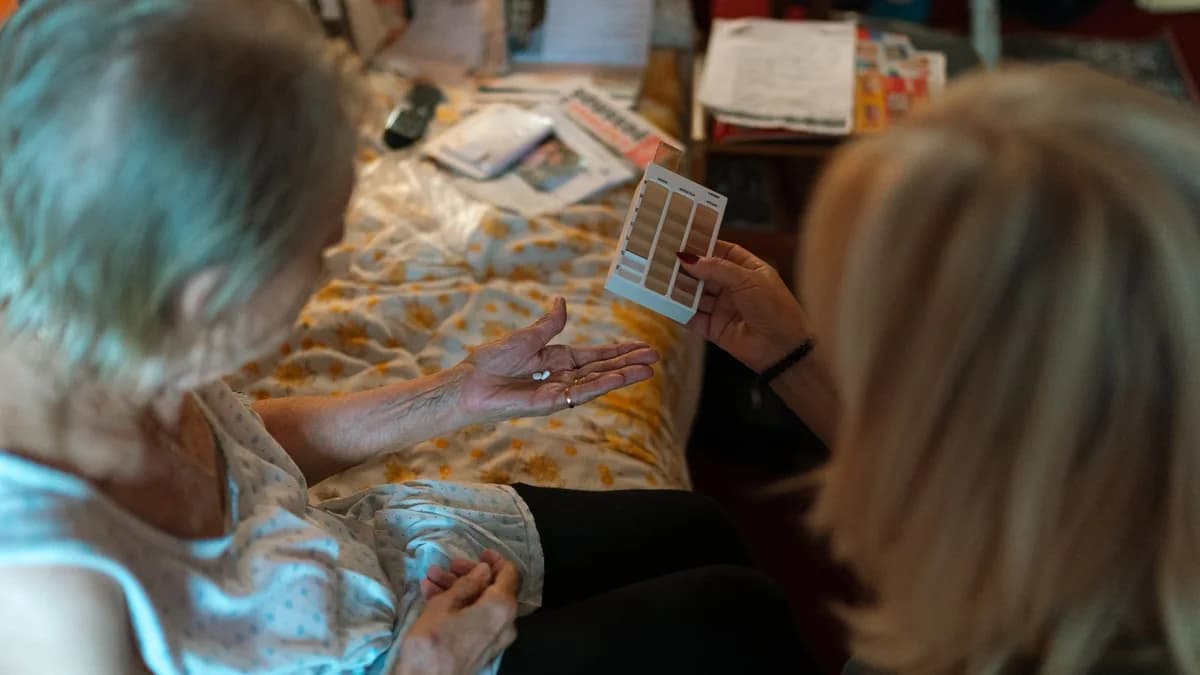
- Use a pill organizer filled weekly
- Set phone alarms for each dose window
- Keep an updated list in your wallet and on the fridge
- Ask the pharmacist to review the full list for interactions
If swallowing is affected, confirm which pills can be crushed or switched to liquid form.
Know the red flags
Call the care team or seek urgent care if you see:
- Sudden weakness change — especially on the previously stronger side
- New confusion, severe headache, or vision loss
- Fever with worsening weakness
- Signs of blood clot — swelling, pain, redness in one leg
- Choking, aspiration, or inability to swallow fluids
When in doubt, call. Clinicians prefer early calls over late emergencies.
Protect therapy attendance
Outpatient therapy is where recovery accelerates. Missing sessions because of logistics — transportation, work conflicts, exhaustion — is common and costly.
- Schedule therapy like immovable meetings
- Arrange rides in advance
- Prepare a bag the night before: insurance card, water, comfortable clothes, list of questions
Between sessions, do the home program. Ten minutes of prescribed exercises beats zero.
Define roles in the household
One person cannot do everything sustainably. Split tasks explicitly:
| Task | Primary | Backup |
|---|---|---|
| Medications | ||
| Meals | ||
| Appointments | ||
| Home exercises | ||
| Night coverage |
Revisit weekly. What worked? What collapsed? Adjust without blame.
Boundaries are care, not selfishness
Caregivers who never rest burn out — then care quality drops for everyone.
Minimum boundaries to protect:
- One block of sleep — trade off nights if needed
- One hour off-site per week — walk, coffee, anything alone
- One person you can vent to without judgment
Respite services, adult day programs, and family help exist in many communities. Ask the social worker at discharge.
Emotional recovery is bilateral
Survivors grieve lost function. Caregivers grieve lost normalcy. Both may feel guilt, anger, and isolation.
Support groups — in person or online — normalize the experience. Individual therapy for caregivers is underused and valuable.
Tools that reduce mental load
- HealStroke.com — recovery tracking from the moment of stroke
- HomeStroke.com — home safety and setup checklists
- stroke.shopping — curated essentials so you are not guessing at products
Technology does not replace clinical care. It offloads memory and decision fatigue so you can focus on the person in front of you.
Communicate with the care team proactively
Keep a running list of questions for the next appointment:
- Is this fatigue normal at this stage?
- Should we adjust home exercises?
- When can driving be reassessed?
- What should we expect in the next 30 days?
Email or portal messages between visits are appropriate for non-urgent questions.
The bottom line
The first weeks after discharge are a sprint inside a marathon. You do not need to do everything perfectly — you need to keep the survivor safe, show up for therapy, and protect your own capacity.
Ask for help early. Use tools. Adjust systems when they break. Recovery is a team sport, and caregivers are on the roster too.